
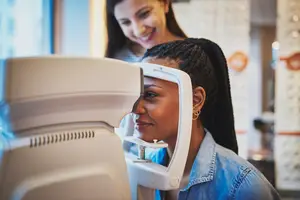
Many people think scheduling a visit with an eye doctor is only necessary when their vision starts to blur or when they need a new pair of frames. In reality, clear vision is only one piece of a much larger puzzle. Your eyes can reveal critical indicators about your neurological health, vascular system, and overall physical wellness before symptoms ever appear elsewhere in your body.
Prioritizing a regular annual eye checkup is an investment in your long-term health and independence. At Today's Vision Fairfield, we provide thorough diagnostic evaluations tailored to every member of your household. If you are preparing for an upcoming appointment, understanding what to expect during an eye exam can help you feel completely relaxed and confident when you step into our clinic in Cypress.
1. Diving Into Your Visual Case History
Before any diagnostic equipment is turned on, a thorough medical review takes place. This initial conversation gives your care team a clear baseline of your unique visual routine and risk factors. During this stage, you will discuss several key components:
- Personal and family medical history, including conditions like diabetes, high blood pressure, or glaucoma.
- Current medications, supplements, and lifestyle factors such as hours spent in front of computer monitors.
- Any recent changes or specific concerns you have noticed, such as sudden dry eyes, temporary blurriness, or night driving glare.
For households managing multiple schedules, coordinating family eye exams ensures that everyone from young students to grandparents receives specialized, age-appropriate evaluations under one roof.
2. Precision Testing for Visual Performance
Once your case history is complete, the physical evaluation begins with a series of quick, interactive checks. This phase focuses on how well your eyes see and how efficiently they coordinate together as a pair.
Your doctor will check your visual acuity using a standard illuminated wall chart to measure your distance clarity. Next, specialized tests measure eye muscle tracking, peripheral vision boundaries, and how your pupils react to light. This broad approach allows the provider to determine if your eyes are straining unnecessarily to maintain focus throughout the workday.
3. Custom Refraction and Prescription Mapping
If you require corrective lenses to see clearly, the refraction stage determines your exact lens power. The doctor utilizes a phoropter—a specialized instrument containing dozens of different lenses—while asking you to compare different options to see which makes a digital display look sharpest.
Depending on your lifestyle and preferred style of vision correction, this process can be tailored to your specific needs:
- If you prefer traditional frames, a targeted eye exam for glasses measures the precise distance between your pupils to center your lenses perfectly.
- If you prefer the freedom of contacts for sports or daily wear, a contact lens eye exam includes extra measurements of the curvature of your cornea to ensure your lenses fit comfortably without causing irritation.
4. Assessing Internal Health with a Dilated Eye Exam
Protecting your vision requires looking deep beneath the surface of the eye. A comprehensive eye exam looks at the total health of your internal structures, measuring the fluid pressure inside your eyes to monitor for early signs of conditions like glaucoma.
To get the most thorough look possible, your provider may recommend a dilated eye exam. During this step, specialized drops are applied to temporarily widen your pupils. This allows your eye doctor to use high-powered magnifying lenses to inspect your retina, optic nerve, and blood vessels directly. Viewing these delicate internal tissues allows for the early identification of progressive conditions like macular degeneration or diabetic tissue changes before permanent vision loss occurs.
5. Early Development: The Pediatric Vision Check
Children require a distinct approach to eye care because their eyes change rapidly as they grow. While school vision screenings are wonderful for identifying obvious distance issues, they often fail to detect complex focusing and alignment problems that interfere with reading and classroom learning.
Scheduling a dedicated pediatric eye exam ensures that your child's tracking, eye teaming, and focusing stamina are developing normally. Making these checkups a regular part of their back-to-school routine prevents minor visual strain from transforming into an academic or athletic obstacle.
Frequently Asked Questions
How long does a comprehensive vision checkup take?
Most complete eye exams take between 45 and 60 minutes. If your visit includes a dilated evaluation or specialized contact lens measurements, it may take a little longer to ensure all testing is completed accurately.
Will the dilating drops affect my vision for the rest of the day?
Dilating drops typically cause temporary light sensitivity and slight blurriness when reading close-up text for three to four hours. Bringing a pair of sunglasses to your appointment helps keep your eyes comfortable in bright outdoor light after your visit.
How often should adults have their eyes checked?
Most eye care professionals recommend an annual evaluation for children and adults to monitor for silent health changes, even if you feel your vision is completely stable.
Prioritize Your Wellness at Today's Vision Fairfield
Your vision is a vital part of how you experience your daily life, succeed at work, and protect your independence. At Today's Vision Fairfield, we combine modern diagnostic technology with a welcoming, personalized approach to protect your family's sight in Cypress.
Don't wait for sudden blurriness or persistent eye strain to impact your comfort. Take a proactive step toward clear, relaxed vision and schedule your next eye exam at Today's Vision Fairfield today to experience specialized care designed around your long-term health.